

Ultimate Guide to Cooking Buckwheat Groats – Kasza Gryczana
Buckwheat has a reputation for being a little tricky. Maybe you’ve cooked it before and ended up with a pot of mush, or you’ve bought a bag and wondered exactly what to do with it.
It doesn’t have to be that way.
In Poland, buckwheat is kasza gryczana, and it’s one of those everyday ingredients that doesn’t need much fuss to be really good. When cooked properly, the raw buckwheat groats become tender, nutty, and slightly chewy, with each grain staying separate. They’re nothing like the soft, porridge-like texture you might expect.
I grew up eating buckwheat as part of Polish cooking, and these days I use it in everything from simple side dishes to meatballs, salads, and hearty bowls.
If you’ve never cooked buckwheat before, this is the place to start. I’ll show you what to buy, the difference between roasted and unroasted groats, how to cook them so they stay fluffy, and what to do with them once they’re ready.
The goal is simple: a pot of buckwheat you actually want to eat.
Quick Look at this Recipe:
Easy Buckwheat recipes you should try
What Is Buckwheat?
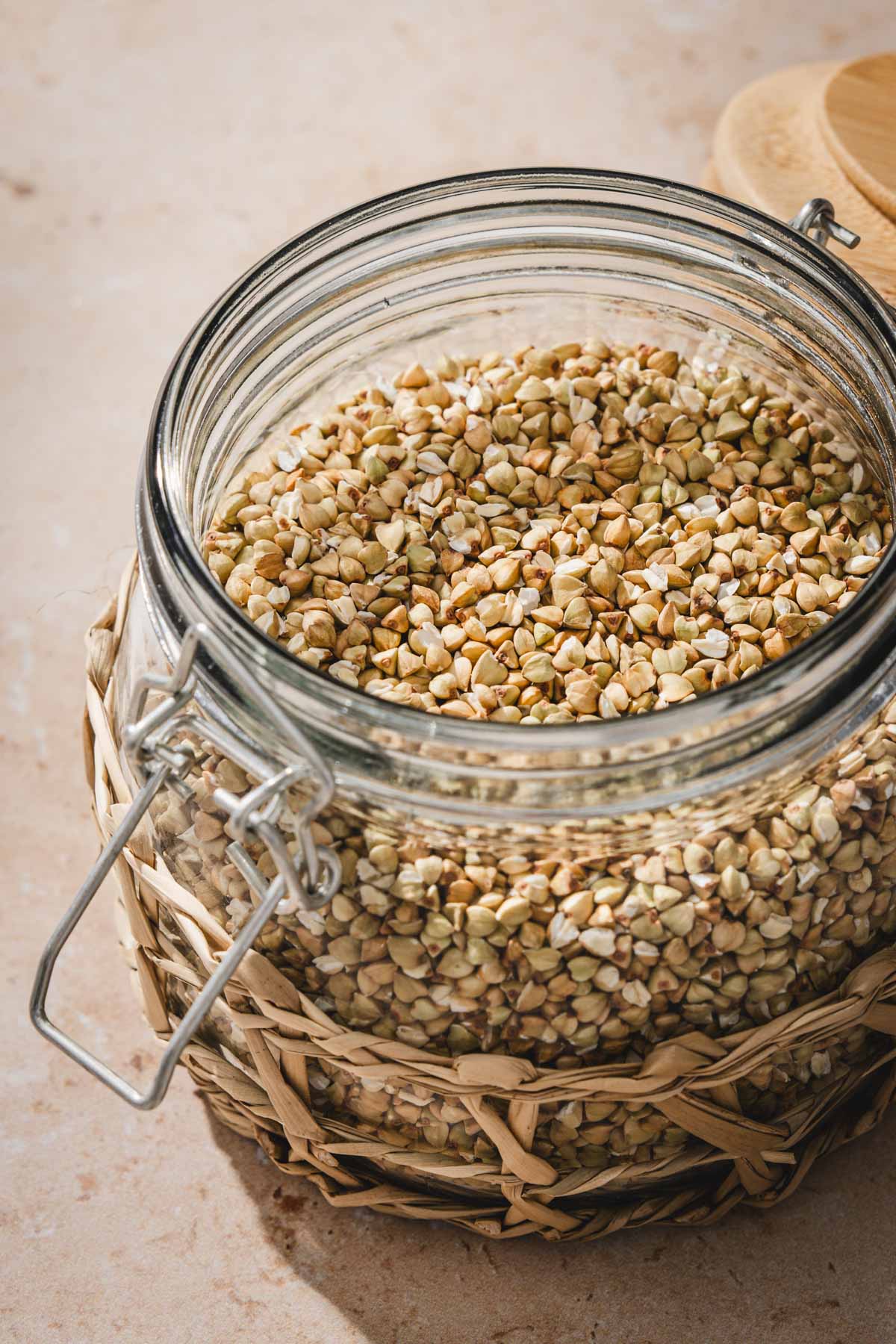
Despite the name, buckwheat isn’t wheat at all. It is a gluten-free seed.
Buckwheat is often called a pseudo-grain because we cook and use it like one, but botanically it’s made from the edible seeds of the buckwheat plant. Those seeds are what we call buckwheat groats.
You’ll often find buckwheat grouped with whole grains because of how it’s used in cooking, even though it isn’t technically one of the cereal grains.
In Polish, buckwheat groats are called kasza gryczana. You may also see the word kasha or buckwheat kasha on American packaging. Depending on the product, this can refer to roasted buckwheat groats.
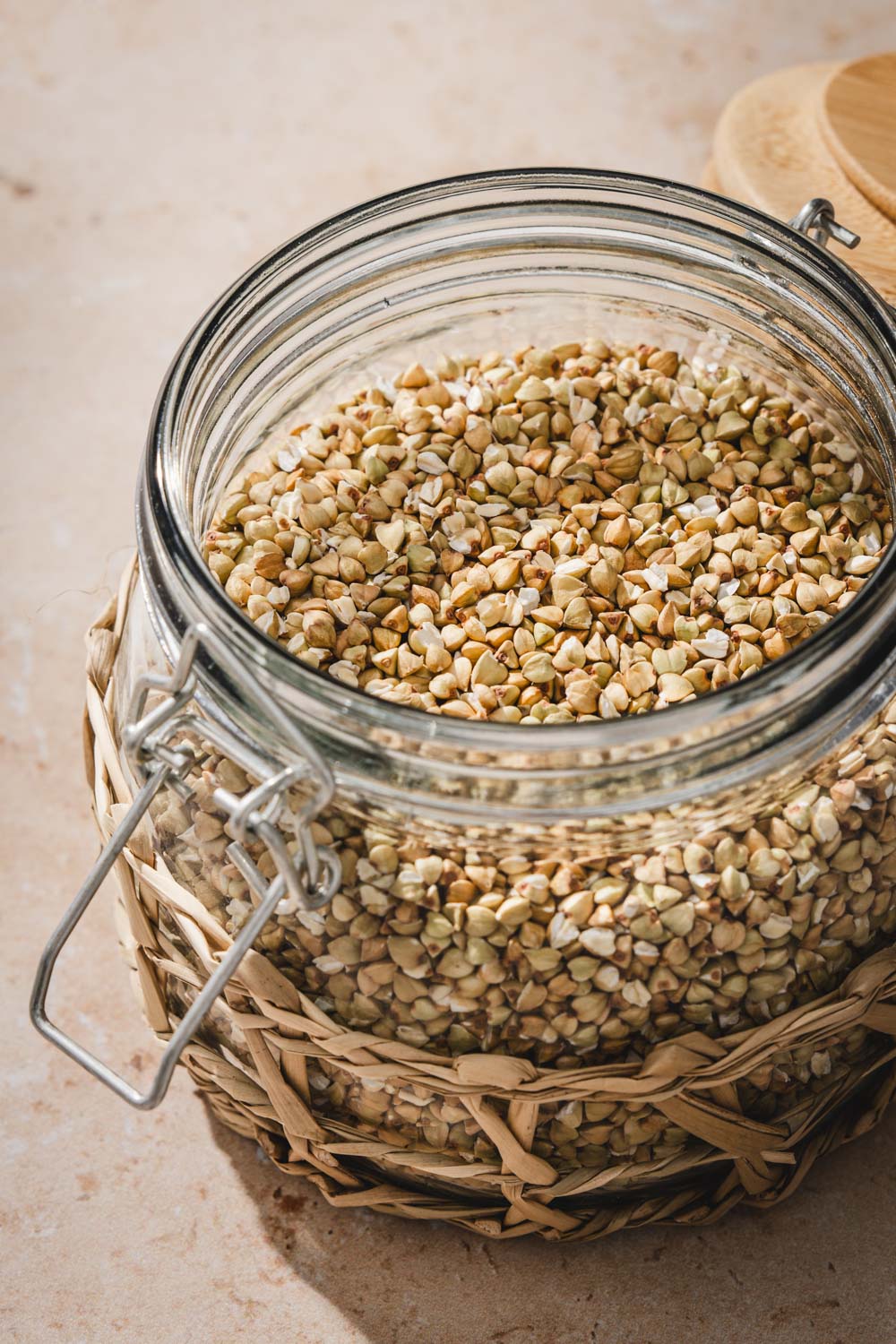
Buckwheat comes in several forms: whole groats for cooking, flakes for quick breakfasts and baking, flour for pancakes and baked goods. You may also come across buckwheat pasta such as Japanese soba.
A Quick Note on Nutrition
Buckwheat doesn’t need a health pitch, but a couple of things are worth knowing. Buckwheat is a good source of fiber and provides plant-based protein along with nutrients such as magnesium and manganese. Because it is naturally gluten-free, it’s also a useful option for people who avoid gluten, as long as the product hasn’t been exposed to gluten during processing. What matters most in my kitchen is simpler: buckwheat is filling, flavorful, and incredibly versatile.
Buckwheat groats vs. buckwheat flour
Buckwheat flour is a different product entirely. It’s made by grinding buckwheat seeds and is used in things like buckwheat pancakes, baked goods, and some types of soba noodles.
This guide is about whole buckwheat groats that you cook and serve much like a grain.
What Does Buckwheat Taste Like?
Buckwheat has a nutty flavor that’s hard to mistake for anything else. It’s earthy, slightly toasted, and pleasantly savory, with a tender but slightly chewy texture when cooked properly. The flavor depends partly on which groats you buy.
Roasted vs. Unroasted Buckwheat
You’ll likely see both types at the store, and the difference matters.
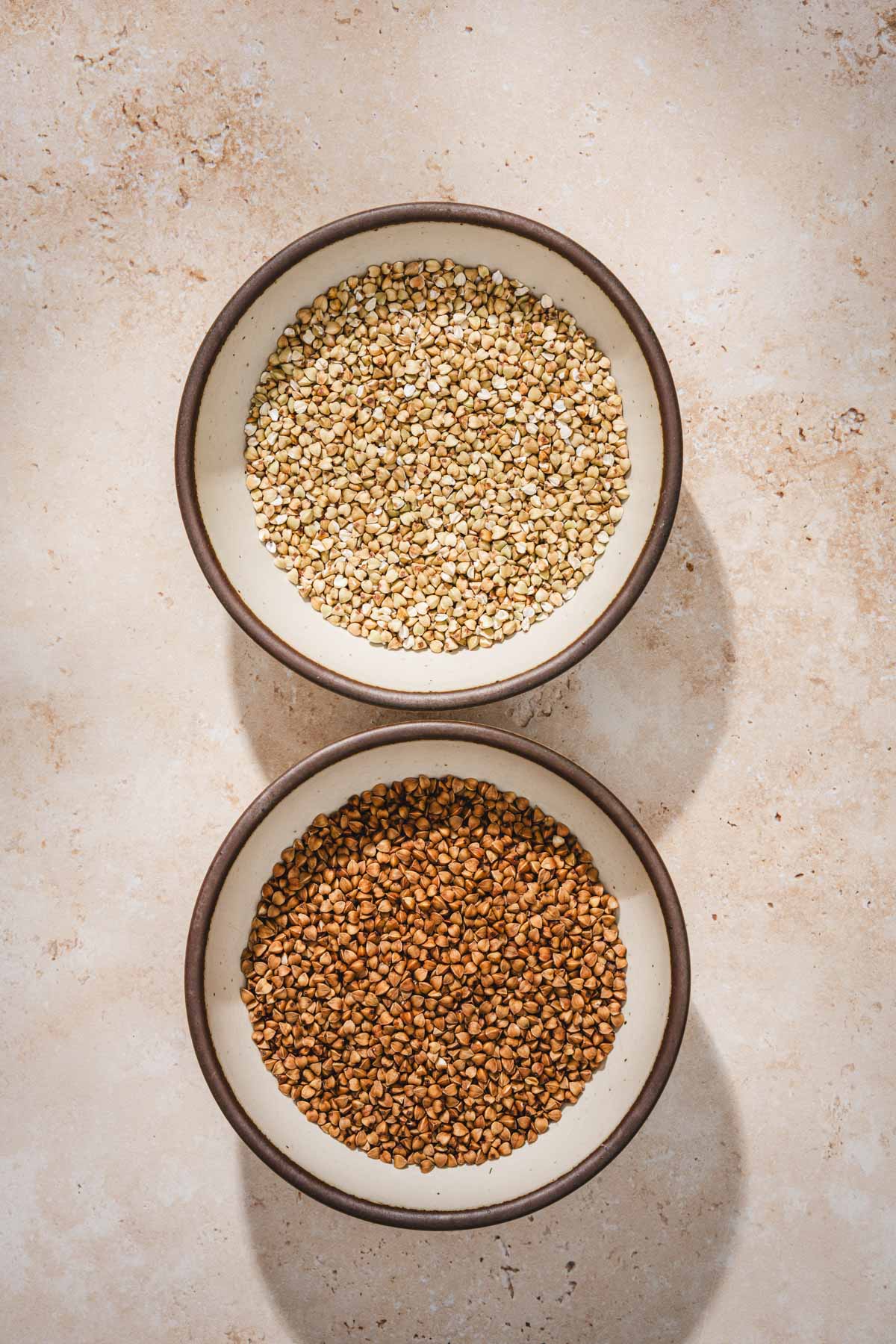
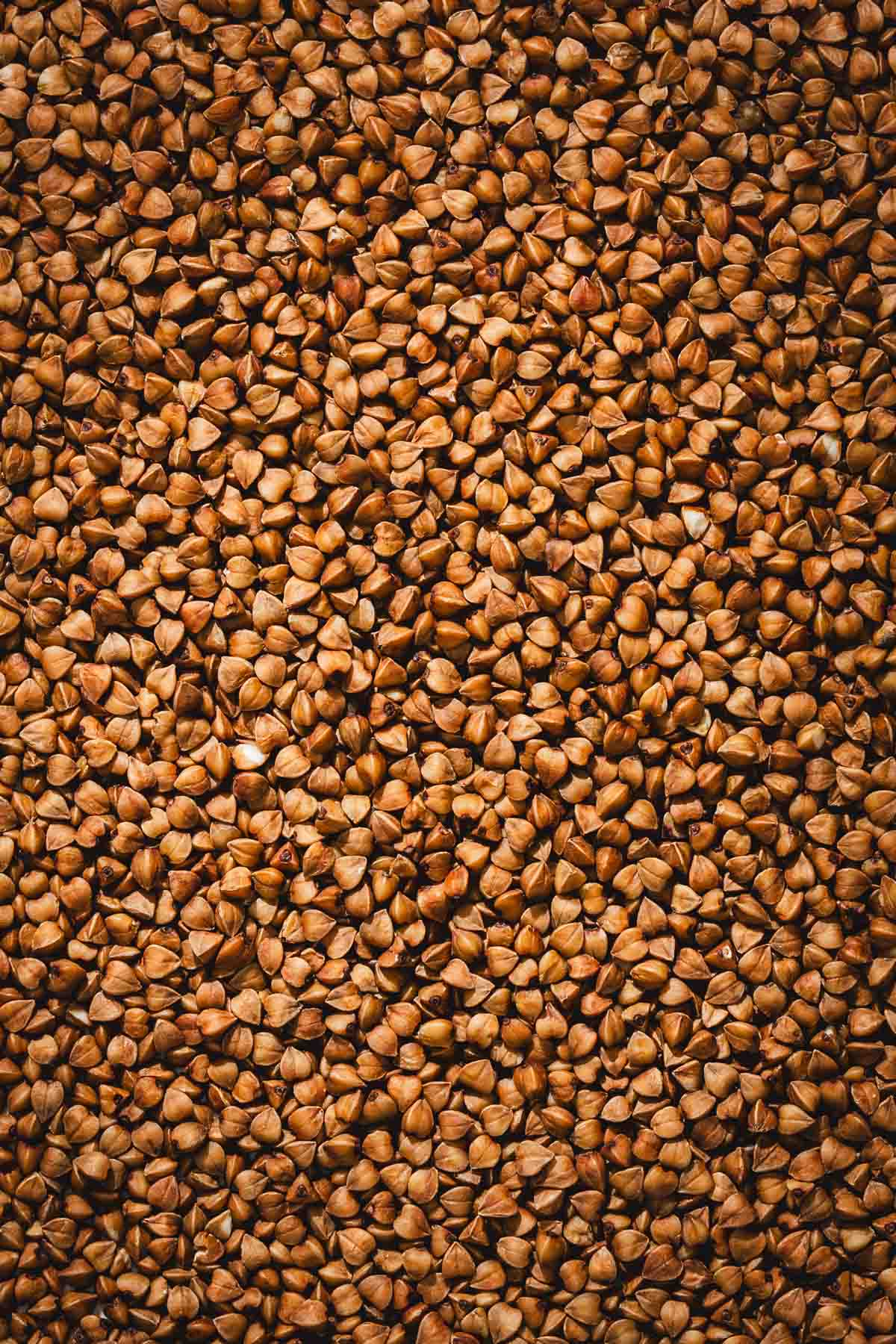
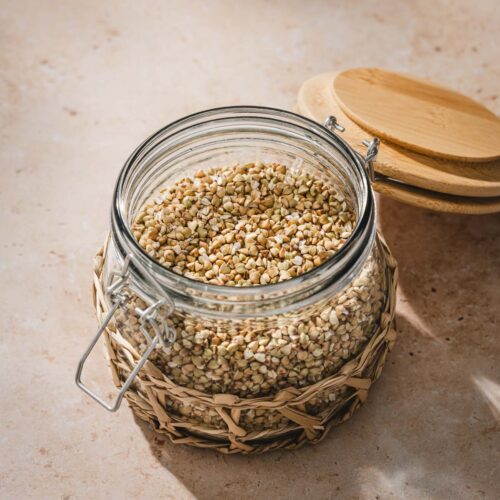
Roasted Buckwheat – Kasza Gryczana Palona – the groats are already toasted before packaging. They’re darker in color, with a stronger, deeper toasty flavor. They pair especially well with mushrooms, cabbage, eggs, butter, and rich sauces. This is what I reach for most often in savory recipes. If you’re new to buckwheat and want that classic, unmistakable kasza gryczana flavor, start with roasted.
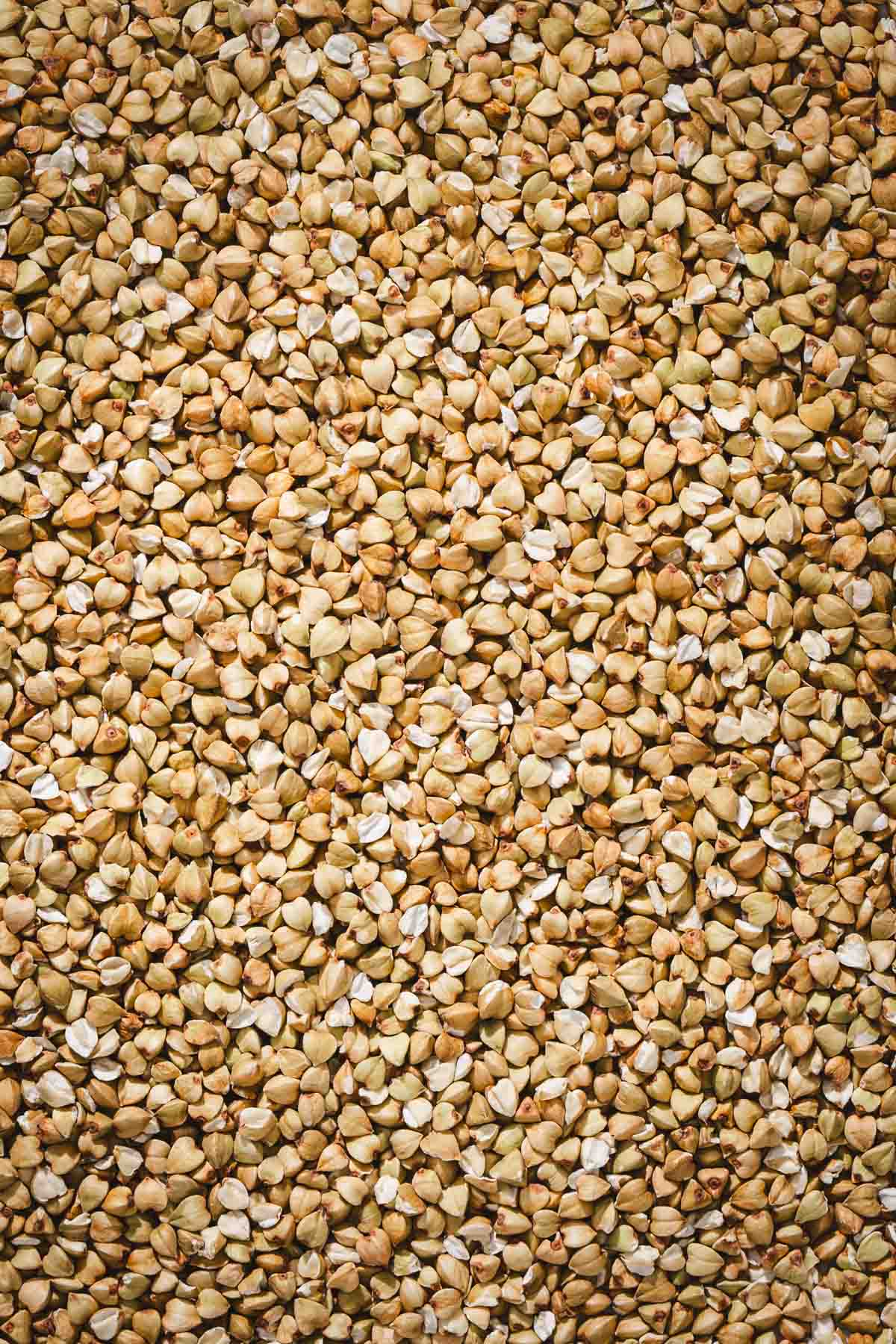
Unroasted Buckwheat – Kasza Gryczana Niepalona – unroasted groats are pale, sometimes almost greenish, and have a milder flavor. They’re a good option when you want buckwheat’s texture without the stronger roasted flavor. One thing to watch: unroasted groats cook faster and slide into mush more easily than roasted. Start checking them around the 8-minute mark and pull them the second the liquid’s gone.
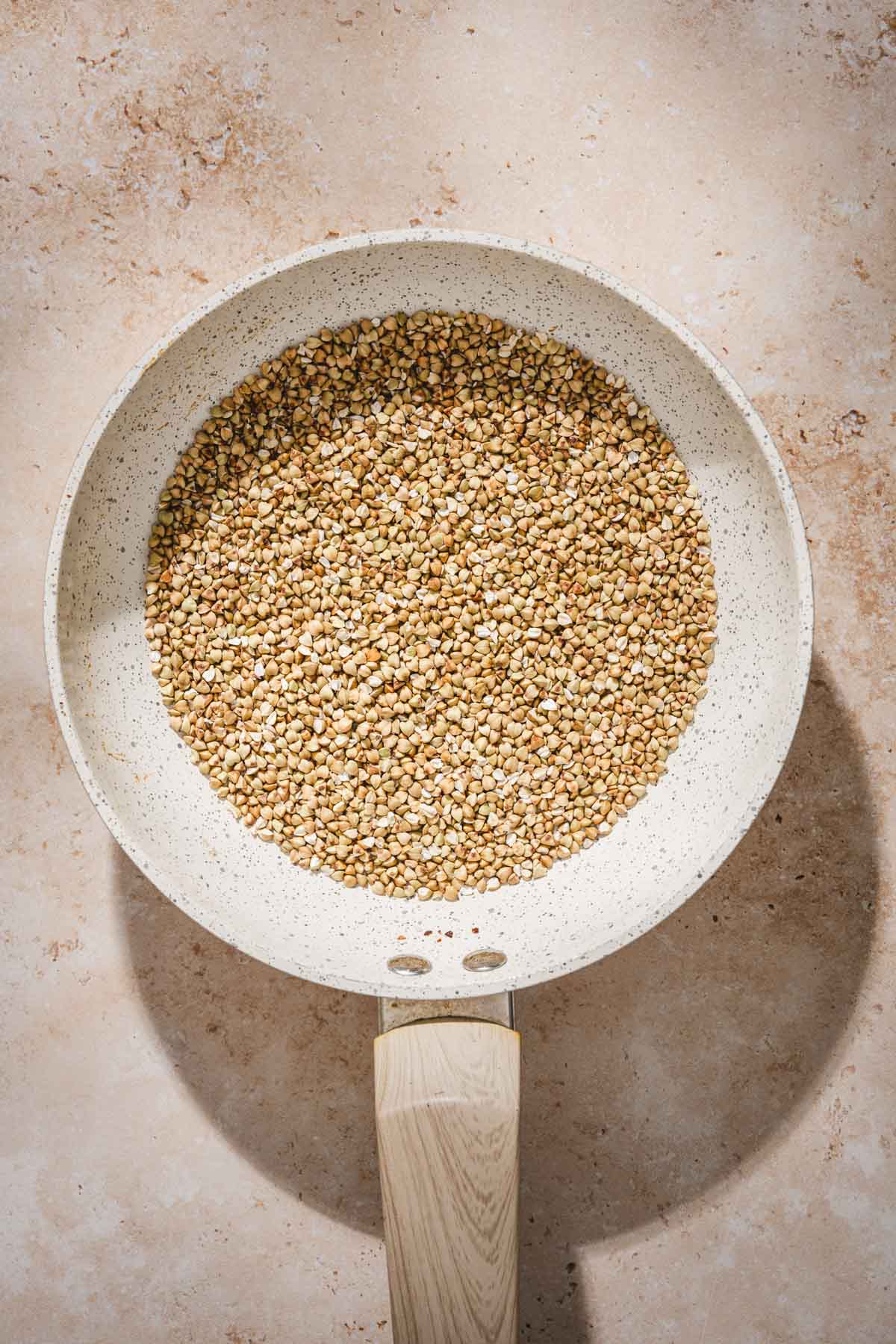
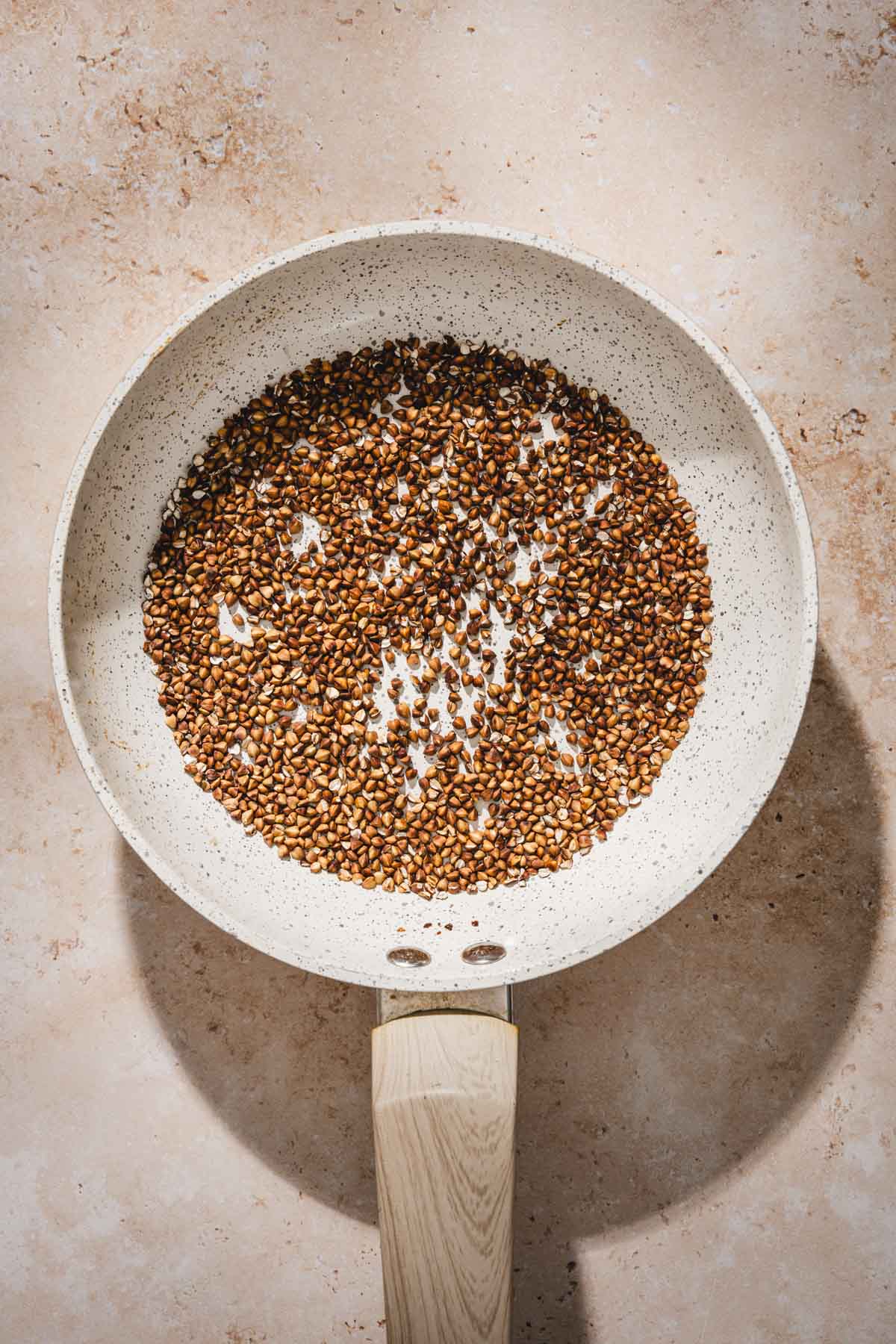
How to Toast Unroasted Groats Yourself?
It is very easy. Add the dry groats to a dry pan over medium heat and toast for a few minutes, stirring occasionally, until they smell nutty and are golden brown color. Let them cool slightly, then cook as usual.
If you’ve already bought roasted buckwheat, skip this step. It’s already been toasted.
Where to Buy Buckwheat
Buckwheat groats are easier to find than they used to be.
Look for any of these names on the label:
- Buckwheat groats
- Kasha
- Buckwheat kasha
- Kasza gryczana
- Roasted buckwheat groats
- Whole buckwheat groats
Check the natural foods section, international aisle, or bulk section of your grocery store. A Polish or Eastern European market is another great place to look. One thing to watch out for: don’t accidentally grab buckwheat flour. You want the whole raw groats for this cooking method.
Key Ingredients, Variations and Substitutions
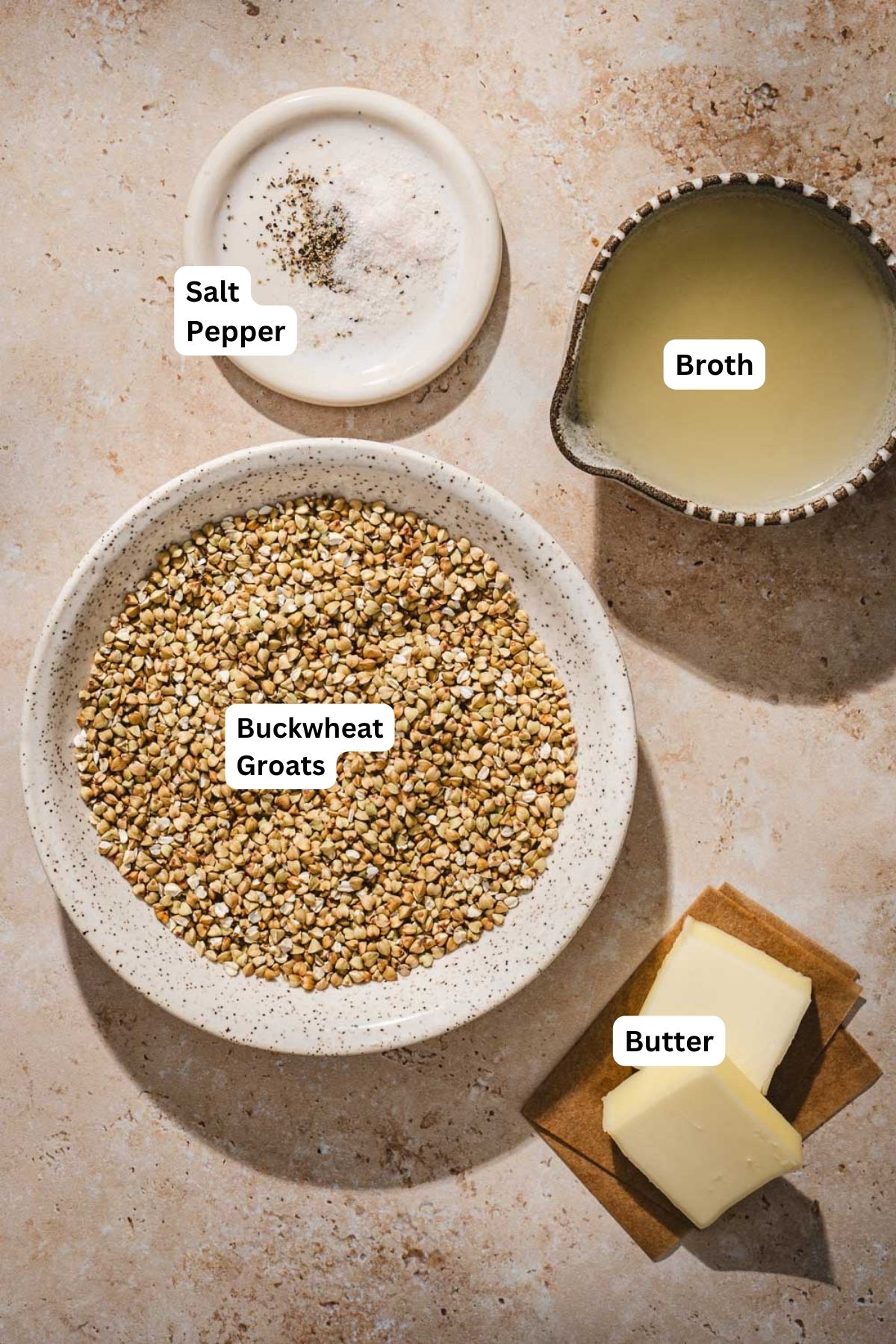
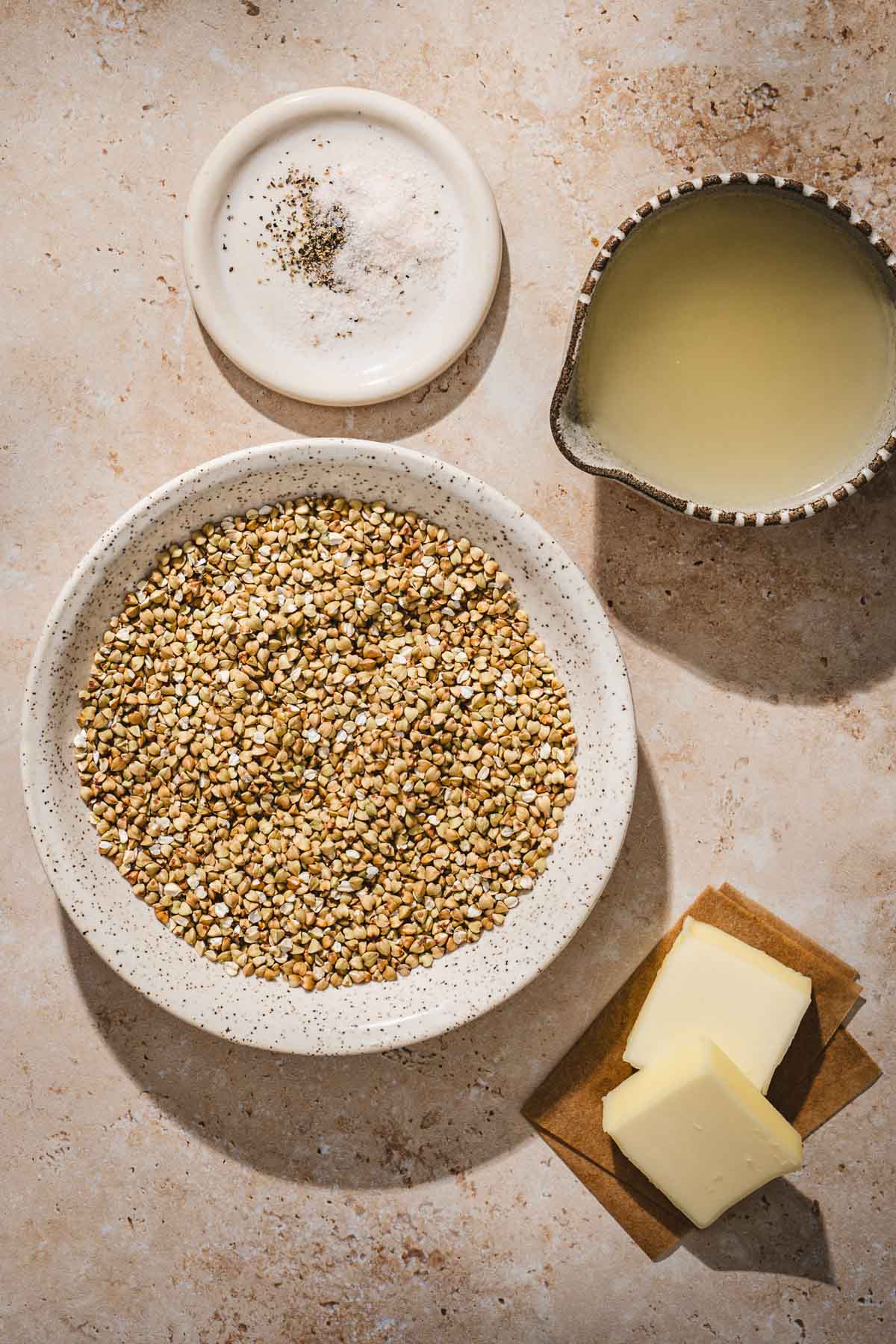
Buckwheat Groats – this is the main ingredient. Roasted or unroasted groats both work with the same basic cooking method, although roasted gives you a stronger, toastier flavor. 1 cup (170 g) dry buckwheat makes about 3 cups cooked, enough for 4 side servings or 2 to 3 bowls.
Liquid – water works well and lets the nutty flavor of the groats come through clearly. Chicken broth, vegetable broth, or mushroom broth all add savory depth and work especially well when serving buckwheat as a side dish or using it in a bowl.
Salt – add salt to the cooking liquid rather than waiting until the end. About ½ teaspoon kosher salt per cup of dry buckwheat is a good starting point.
Butter or Oil – this is optional. Stirring a small amount of butter into the finished buckwheat adds richness and can help separate the grains. Olive oil works too if you prefer.
Equipment You Will Need
- Medium saucepan with a lid
- Fine-mesh strainer
- Fork
Top Tips for Cooking Buckwheat
Rinse first and drain well. Give the groats a quick rinse under cold water before cooking. Make sure they’re well drained before they go into the pot.
Start with the 1:2 ratio. For every 1 cup of buckwheat groats, use 2 cups of water or broth. This is a good starting point, and once you’ve cooked a few batches, you can adjust the amount of water slightly to suit your preferred texture.
Don’t stir constantly; it is not a risotto. Once the buckwheat is simmering and covered, leave it alone. Stirring won’t make it better.
Keep the heat low. After the liquid comes to a boil, reduce the heat to low. You want a gentle simmer, not aggressive bubbling.
Let it rest. Once the liquid is absorbed, turn off the heat and keep the lid on for 5 minutes. This gives the groats time to finish steaming without cooking over direct heat.
Use a fork. Fluff the finished buckwheat gently with a fork. A fork separates the grains instead of pressing them together.
Use broth for more flavor. Water is perfectly fine, but broth gives the buckwheat a savory base that makes it easier to serve straight from the pot.
Step-by-Step Instructions
- Place 1 cup (170 g) buckwheat groats in a fine-mesh strainer. Rinse thoroughly under cold running water, then drain well. This removes loose particles and gives you a clean starting point.
- Add the rinsed buckwheat to a medium saucepan. Pour in 2 cups (480 ml) water or broth and add ½ teaspoon kosher salt.
- Bring the liquid to a boil over medium-high heat. Once boiling, give it one gentle stir.
- Reduce the heat to low and cover the saucepan with a tight-fitting lid.
- Simmer for 10–12 minutes, or until the liquid has been absorbed. Don’t lift the lid while it cooks, and don’t stir.
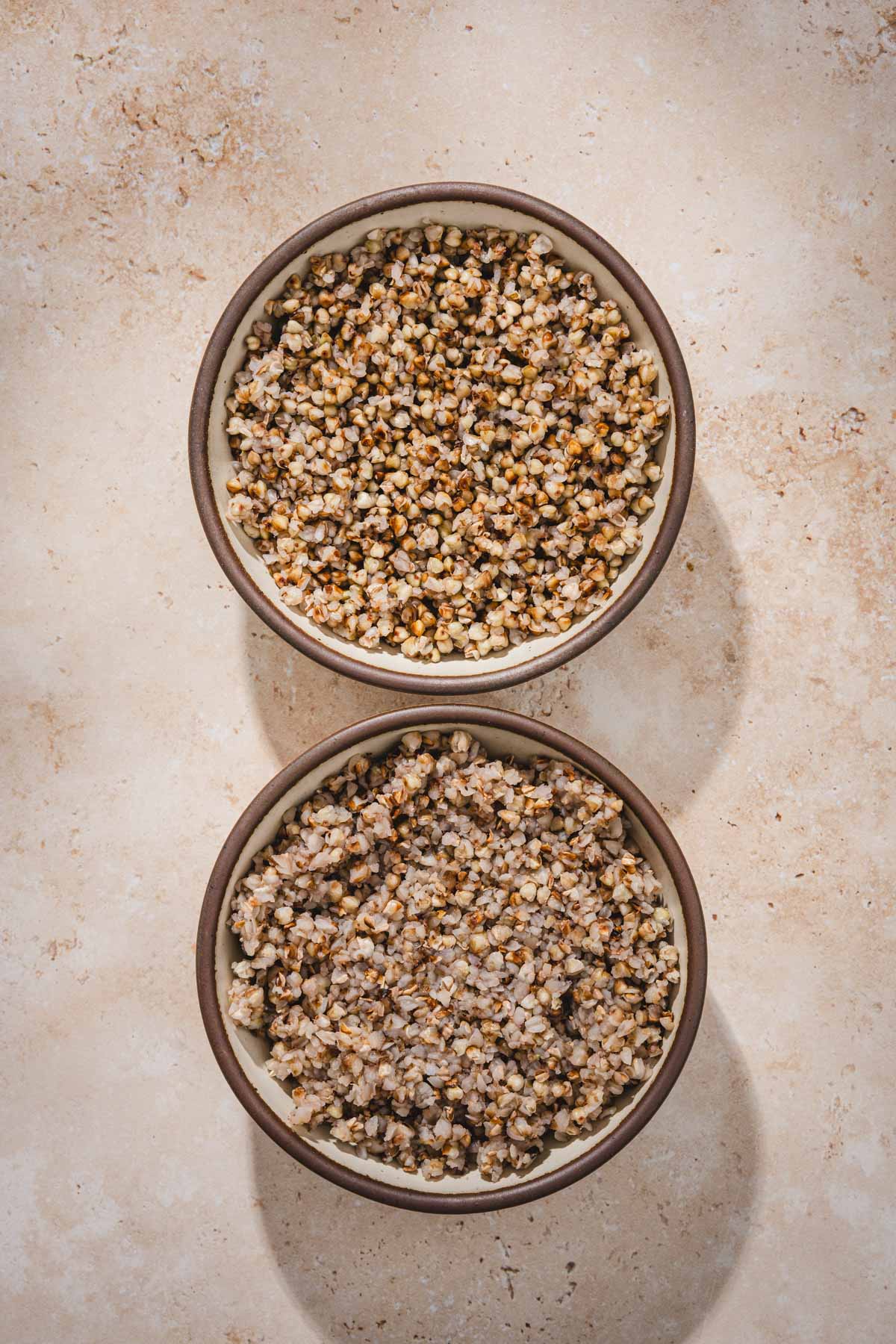
- The groats should be tender and slightly chewy, and you should be able to see individual grains. If there is still liquid in the bottom of the saucepan, cook for another 1–2 minutes.
- Remove the saucepan from the heat and leave it covered for 5 minutes. No peeking.
- Remove the lid and gently fluff the buckwheat with a fork. Serve warm as a side dish, or let it cool and use it in salads, bowls, fillings, and other recipes.
Alternative cooking methods:
Instant Pot/pressure cooker
- 1:1.25–1.5 ratio (less water than stovetop), high pressure 3–5 minutes, natural release 5–10 minutes.
Oven-baked (great for batch cooking and photography setups)
- 1 cup buckwheat + 2 cups boiling broth in a covered dish; bake at 375°F / 190°C for ~25–30 minutes; rest 5 minutes
Microwave (quick method for U.S. audiences)
- 1 cup buckwheat + 2 cups water in a microwave-safe covered bowl; high 12–15 minutes; rest 5 minutes.
Troubleshooting: Getting the Texture Right.
Forget watching the clock or a specific cooking time. Look at the groats.
Perfectly cooked buckwheat is:
- Tender but not falling apart
- Slightly chewy
- Moist but not wet
- Nutty and fragrant
- Made up of individual, recognizable grains
If you can scoop it up and see each groat clearly, you’re in good shape. If it looks like buckwheat porridge when you were aiming for fluffy grains, something went off track.
Mushy buckwheat? Almost always too much liquid, overcooking, or stirring. Start at 1:2, keep the heat low, leave it alone, and take it off the heat as soon as the liquid’s gone. One caveat: mushy isn’t always wrong. If you’re binding meatballs or a filling, softer groats hold everything together. My fire-roasted salsa meatballs actually want that. The right texture depends on what you’re making.
Still crunchy? Add a splash of hot water or broth, cover, and cook 2 to 3 minutes more over low. Rest again. Brands and batches vary, so let the texture be your guide, not the timer.
Water or Broth?
Both work. Here’s how I choose.
Use water when:
- You’re incorporating buckwheat into a strongly flavored recipe
- You want the groats’ own nutty flavor to come through
- You’re cooking a neutral batch to use throughout the week
Use broth when:
- You’re serving buckwheat as a side dish
- You’re building a savory bowl
- You want more depth without adding another ingredient later
Chicken broth, vegetable broth, and mushroom broth all work well depending on what you’re cooking.
The Egg Trick That Keeps Every Grain Separate
Here’s the thing nobody tells you about fluffy buckwheat. The ratio matters, the rest matters, but there’s also a Polish trick that pushes the grains from “soft mass” to “separate, pilaf‑like.” It’s an egg.
You coat the raw groats in beaten egg, toast them in a dry pan until they’re dry and loose again, then add your liquid. The egg dries onto each grain and builds a thin barrier, so instead of clumping into one soft mass, the groats cook up separate and distinct. Pilaf, not porridge.
It takes four extra minutes. Do it once, and you won’t cook kasza any other way.
How to do it (variation):
Crack 1 egg into a bowl and beat it lightly. For 1 cup of buckwheat groats, one egg is plenty.
Add the dry, unrinsed groats straight to the egg and stir until every grain is coated. Skip the rinse here; you want the egg on dry groats, not wet ones.
Heat a dry skillet or your saucepan over medium. Tip in the coated buckwheat and cook, stirring almost constantly, for 3 to 5 minutes.
At first it looks like a wet, clumpy mess. Keep going. The egg cooks off, the clumps break apart, and the grains go dry, loose, and toasty. That’s your signal.
Add 2 cups of water or broth and ½ teaspoon salt, bring to a boil, then cover, drop the heat to low, and cook exactly as in the base method. Rest covered for 5 minutes. Fluff.
Note: This is optional. The basic method without egg already gives you fluffy kasza. Use this when you want maximum separation for salads, bowls, or stuffed vegetables.
How to Use Cooked Buckwheat
If you’ve only ever thought of buckwheat as a stand-in for white rice, this is your invitation to think differently. In Polish cooking, kasza gryczana isn’t a substitute. It’s its own ingredient. It has flavor. It has texture. It has specific things it loves to be cooked with. There are so many different ways to use cooked buckwheat.
As a simple side dish:
- Butter and fresh herbs like dill
- Sautéed mushrooms and onions
- Gravy or pan sauce
- Roasted vegetables
- Braised cabbage
In a balanced bowl. This is one of my favorite ways to use kasza. The formula I keep coming back to is: kasza, protein, fat, something fermented, and something fresh. For example: roasted buckwheat, a soft-boiled egg, brown butter, sauerkraut, and lots of dill. Add mushrooms and toasted sunflower seeds, and you’ve got a full dinner. The sour element is important. It might be sauerkraut, pickled vegetables, or another fermented ingredient. That little bit of acidity keeps the bowl from feeling heavy.
In recipes. Cooked buckwheat works beautifully in meatballs, stuffed cabbage, pierogi filling, stuffed vegetables, salads, soups, and, of course, as a main component of grain bowls.
It also works in sweet dishes. Cook it with more liquid for a soft, creamy buckwheat porridge, then serve it with fruit, honey, nuts, or warm spices.
Buckwheat flour can also be used for buckwheat pancakes and baked goods, but remember that flour behaves very differently from whole groats.
More Recipes To Try
- Polish Creamy Leek Salad
- Polish Dill Meatballs Recipe
- Creamy Polish Tomato and Onion Salad
- Creamy Dill Pesto Potato Salad
Storage and Reheating
Refrigerator
Store cooked buckwheat in an airtight container in the refrigerator for up to 4 days. Let it cool before transferring it to the refrigerator, and store it separately from wet toppings or sauces when possible.
Freezer
Cooked buckwheat freezes well. Cool it completely, portion it into airtight containers or freezer-safe bags, and freeze for up to 3 months. Thaw in the refrigerator before reheating.
Reheating
The skillet is my favorite method. Add the buckwheat to a skillet with a small splash of water or broth and warm over medium-low heat, stirring occasionally until heated through. The microwave works too. Add a small splash of water or broth, cover loosely, and heat in short intervals, stirring between each one.
Ultimate Guide to Cooking Buckwheat Groats – Kasza Gryczana

Equipment
- Medium saucepan with a lid
- fine mesh strainer
- Fork
Ingredients
- 1 cup raw buckwheat
- 2 cups water or broth
- ½ teaspoon kosher salt pinch to taste
Instructions
- Place 1 cup raw buckwheat in a fine-mesh strainer. Rinse thoroughly under cold running water, then drain well. This removes loose particles and gives you a clean starting point.
- Add the rinsed buckwheat to a medium saucepan. Pour in 2 cups water and add ½ teaspoon kosher salt.
- Bring the liquid to a boil over medium-high heat. Once boiling, give it one gentle stir.
- Reduce the heat to low and cover the saucepan with a tight-fitting lid.
- Simmer for 10-12 minutes, or until the liquid has been absorbed. Don't lift the lid while it cooks, and don't stir.
- The groats should be tender and slightly chewy, and you should be able to see individual grains. If there is still liquid in the bottom of the saucepan, cook for another 1-2 minutes.
- Remove the saucepan from the heat and leave it covered for 5 minutes. No peeking.
- Remove the lid and gently fluff the buckwheat with a fork. Serve warm as a side dish, or let it cool and use it in salads, bowls, fillings, and other recipes.
Notes
Nutrition
Did you make this recipe?
Tag me @sylwiavaclavekphotography or tag me using #myomnikitchen so I can see your creations! You can also leave a comment below!
Now cook it your way
Once you get the basic method down, buckwheat is one of the easiest things to keep in your cooking rotation. Start with roasted kasza gryczana. Use the 1:2 ratio. Leave it alone while it cooks. Give it those five quiet minutes to steam at the end. Then start using it. Mushrooms. Eggs. Sauerkraut. Dill. Butter. Roasted vegetables. Meatballs. Bowls. This is the first post in my buckwheat series here at My Omni Kitchen, and there’s a lot more coming.
Save this guide, cook your first pot, and come back and tell me what you made with it.
Frequently Asked Questions
What are buckwheat flakes?
Buckwheat flakes are buckwheat groats that have been steamed and flattened into thin flakes. They cook much more quickly than whole groats and are often used for breakfast bowls, porridge, granola, or baking.
They aren’t a substitute for whole buckwheat groats in this recipe; the cooking time and texture are completely different. If you’re looking for fluffy, separate kasza gryczana, stick with whole buckwheat groats.
What are the different ways to cook buckwheat?
The stovetop absorption method is my go-to for cooking buckwheat because it’s simple and gives you tender, fluffy groats with individual grains. But you can use several other cooking methods.
- Stovetop: The easiest place to start. Simmer the groats in water or broth until the liquid is absorbed, then let them rest covered.
- Rice cooker: You can cook buckwheat in a rice cooker using a similar liquid-to-groats ratio. Check your appliance instructions, as cooking times can vary.
- Instant Pot or pressure cooker: A pressure cooker works well when you want a hands-off method, although the texture can be softer than stovetop-cooked buckwheat.
- Oven: You can also bake buckwheat with liquid in a covered dish, which is useful when you’re already cooking something else in the oven.
For this guide, I recommend starting with the stovetop method. It’s the easiest way to learn how buckwheat should look and feel when it’s properly cooked, and once you’ve got that down, the other methods are easy to experiment with.